
Thanks to the work of NEI scientists and grantees, we’re constantly learning new information about the causes and treatment of vision disorders. Get the latest updates about their work — along with other news about NEI.
Damaging DNA builds up in the eyes of patients with geographic atrophy, an untreatable, poorly understood form of age-related macular degeneration that causes blindness, new research from the University of Virginia School of Medicine reveals.
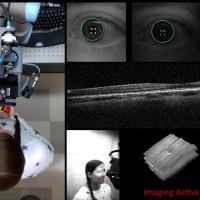
A National Eye Institute-funded project at Duke University has yielded a fully automated optical coherence tomography (OCT) device that does not require a trained operator and promises to broaden access to retinal imaging technology.
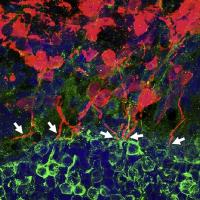
Research from the University of Utah explains why people with genetic variants may develop age-related macular degeneration (AMD) and identifies a potential therapeutic pathway for slowing disease progression.
Tiarnan Keenan, NEI Division of Epidemiology and Clinical Applications, and colleagues found that people with age-related macular degeneration (AMD) can successfully use the Notal Home OCT device to monitor their disease.
NEI and European researchers hosted international investigators on June 18, 2021, to present and discuss recent advances in age-related macular degeneration (AMD) and its relationship to the microbiome.
As regenerative therapies for blinding diseases move closer to clinical trials, the NEI's functional imaging consortium is pioneering noninvasive technologies to monitor the function of the retina’s neurons and their connections to the brain.
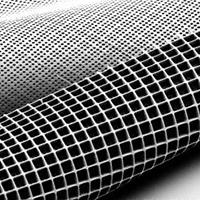
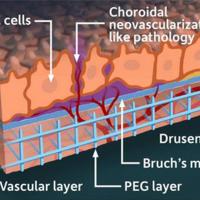
Researchers at the University of Wisconsin have developed a micro-molded scaffolding photoreceptor “patch” designed to be implanted under a damaged or diseased retina.
Using laboratory-grown roundworms as well as human and mouse eye tissue, researchers have identified a new potential mechanism for age-related macular degeneration—the leading cause of blindness among older adults.