Skip to content

Research and Training

The National Eye Institute is the lead federal agency for vision research. As part of the National Institutes of Health, NEI safeguards our sight by advancing the prevention and treatment of eye diseases and vision problems. 

Research we Conduct

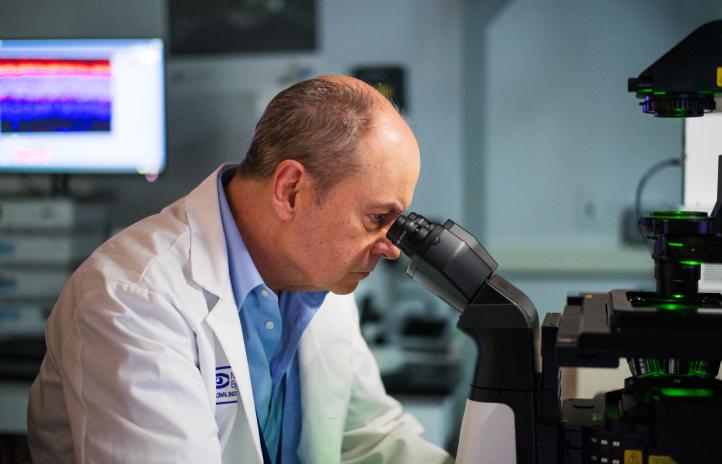
NEI’s intramural research program conducts vision research science and ophthalmology at the main NIH campus in Bethesda, Maryland. In addition to being our in-house home for groundbreaking research, our program is an incubator for the next generation of vision researchers.

  • Research Labs and Branches

    NEI scientists are part of the National Institutes of Health Intramural Research Program (IRP), the largest biomedical research institution in the world. From eye disease to gene therapy, our staff scientists, fellows, and students are discovering the future of vision research.

  • Training Opportunities

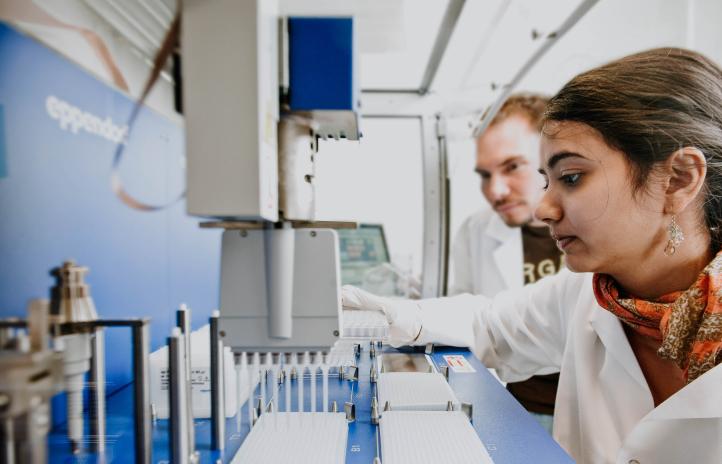
    Interested in vision research? NEI has a broad range of opportunities for students and professionals, including internships and fellowships, and training programs at our labs in Bethesda, Maryland. We also support opportunities at institutions throughout the country.

Research we Support

NEI funds extramural research that aligns with our mission to eliminate vision loss and approve quality of life through vision research. Find funding opportunities and learn how to apply below.

  • Funding Opportunities

    Explore NIH’s Grants & Funding search page (from the Office of Extramural Research) to find up-to-date information about NIH funding, including all NEI-related programs and opportunities.

  • How to Apply

    Get an overview of the application process, read tips on how to develop your proposal, and see current funding opportunities and research priorities. 

Vision Research News

  1. NEI study challenges genes as destiny for inherited eye disorders

    A new study challenges the traditional understanding of disease genetics for IRDs and other rare genetic diseases according to the researchers, and may have implications for the clinical use of genetic testing and the development of new treatments.

  2. AI moves cellular-level imaging of the eye one step closer to everyday clinic use

    Getting the most advanced ophthalmic imaging technologies into the hands of healthcare providers will vastly improve the ability to detect retinal diseases earlier, and guide treatments to prevent vision loss.

  3. NEI scientists use retinal connectomics to study color vision circuitry relevant for mood, myopia

    NEI scientists constructed a 3D map of the neural circuitry of S-cone photoreceptors, important for perceiving blue light.

Upcoming Events

  1. Sayer Vision Research Lecture & Award: "Targeting Cellular Senescence in Retinal Vascular Disease"

    February 10, 2026 3:00 pm to 4:30 pm ET

    Bethesda, MD

    Przemyslaw (Mike) Sapieha, Ph.D.
    Professor
    University of Montreal, Montreal

    Dr. Sapieha is the University of Montreal Endowed Chair in Translational Vision Research, Canada Research Chair in retinal cell biology and full professor in the Departments of Ophthalmology and Biochemistry. His team identified mechanisms implicating semaphorins, deregulation of neuronal metabolism, innate immune memory and cellular senescence in retinal vascular diseases such as diabetic retinopathy and age-related macular degeneration (AMD).

  2. Aging RPE and Plasma Membrane Integrity

    February 12, 2026 12:00 pm to 1:00 pm ET

    Bethesda, MD

    Dorota Skowronska-Krawczyk, PhD
    Associate Professor
    School of Medicine, University of California

    Dr. Dorota Skowronska-Krawczyk's lab focuses on understanding the molecular mechanism of aging in the age-related eye and brain conditions. They study processes regulating gene expression in age-related diseases, with emphasis on how aging affects cellular, metabolic, and transcriptional programs. Mechanism of senescence and polyunsaturated fatty acids metabolism are the two major areas of interest in the lab.

  3. Recruitment of Primate Oculomotor Networks for Abstract Cognition

    March 5, 2026 12:00 pm to 1:00 pm ET

    Bethesda, MD

    David Freedman, PhD
    Professor
    University of Chicago

    Dr. David Freedman and his laboratory use advanced neurophysiological and behavioral techniques, in parallel with machine learning approaches for studying cognitive computations in artificial neural networks. Together, their work is providing insights into the brain mechanisms of visual learning, recognition and decision making.

Our Impact

Supporting Visionaries

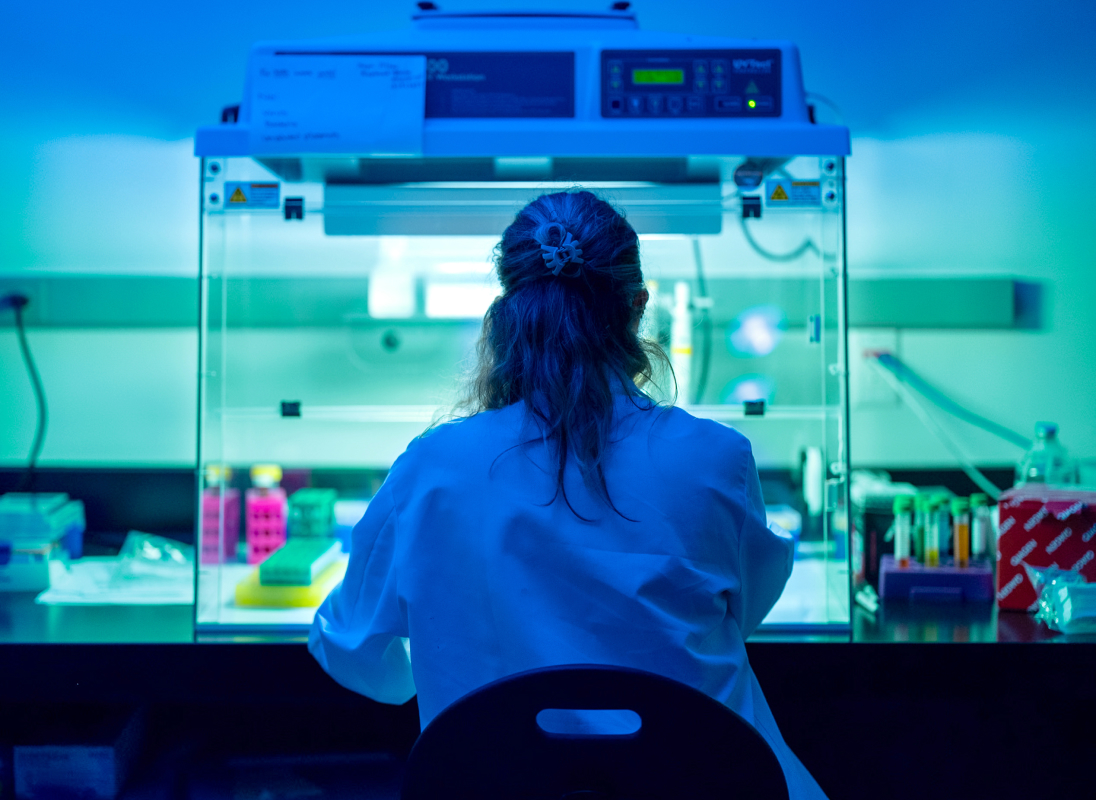
NEI supports the next generation of scientists and innovators in vision research. Get an inside look at how NEI-funded scientists find their footing, and change lives, in vision research.
Uncover our impact

More from NEI

  • NEI History

    For more than 50 years, NEI has been at the cutting edge of vision research and outreach to help the public keep their eyes healthy.

  • Research Priorities

    Our research is focused on the leading causes of blindness and impaired vision. NEI supports research, trials, studies, and career development in these critical categories. NEI-funded research is being conducted at over 150 institutions worldwide.

Last updated: January 28, 2026