
Thanks to the work of NEI scientists and grantees, we’re constantly learning new information about the causes and treatment of vision disorders. Get the latest updates about their work — along with other news about NEI.
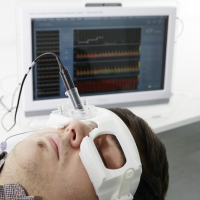
A recent international clinical study demonstrates that low intracranial pressure correlates with impaired patient vision, especially in the nasal zone.
An international team led by Harvard Medical School scientists has discovered a new genetic mutation that may be a root cause of severe cases of childhood glaucoma, a devastating condition that runs in families.
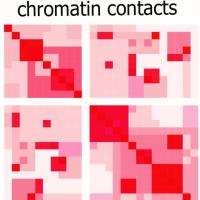
National Eye Institute researchers mapped the organization of human retinal cell chromatin, the fibers that package 3 billion nucleotide-long DNA molecules into compact structures that fit into chromosomes within each cell’s nucleus.
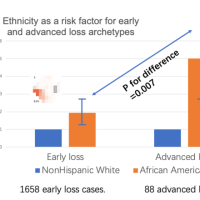
Black patients have a dramatically higher risk of advanced vision loss after a new diagnosis of primary open angle glaucoma (POAG) when compared to white patients, according to a new study from New York Eye and Ear Infirmary of Mount Sinai (NYEE).
Protein sigma 1 receptor, which is known to protect cells from stress, appears key to the function and survival of retinal ganglion cells (RGCs) in culture.
A Northwestern Medicine study in mice has identified new treatment targets for glaucoma, including preventing a severe pediatric form of glaucoma, as well as uncovering a possible new class of therapy for the most common form of glaucoma in adults.
As scientists move closer to testing regenerative therapies for eye disease, techniques are needed to monitor transplanted cells as they integrate with host tissues.
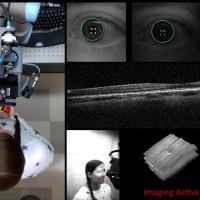
A National Eye Institute-funded project at Duke University has yielded a fully automated optical coherence tomography (OCT) device that does not require a trained operator and promises to broaden access to retinal imaging technology.